
If you’ve been researching kitchen upgrades, you’ve probably noticed how often the microwave drawer cabinet comes up as the appliance everyone wants but few people fully understand before buying. It looks simple on the surface — a microwave that slides out instead of swinging open — but the actual decision involves cabinet sizing, electrical work, installation cost, and brand comparisons that most guides only touch on lightly. uploadblog, durostech
What Is a Microwave Drawer Cabinet?
A microwave drawer cabinet is a built-in microwave unit installed inside base cabinetry, a kitchen island, or beneath a countertop, where the door pulls out horizontally like a drawer instead of swinging open like a traditional microwave. Instead of taking up counter space or occupying the space above your range, the unit disappears into your lower cabinetry and opens from the top, letting you set dishes in and out at waist height.
This is different from:
- Countertop microwaves — freestanding units that sit on your counter and plug into any outlet
- Over-the-range microwaves — mounted above the stove, doubling as a range hood
- Built-in wall microwaves — installed vertically at eye level with a swinging or drop-down door
A microwave drawer cabnet solves a specific problem: it removes the microwave from your counter and your upper cabinet zone entirely, freeing up both spaces for something else — open shelving, a range hood, extra storage, or simply a cleaner visual line.
Why Homeowners Are Switching to a Microwave Drawer Cabinet
The appeal isn’t just aesthetic. There are practical reasons this setup has become one of the more requested upgrades in kitchen renovations.
- Safety — you’re not reaching over your head or across your body with a hot dish; everything happens at waist level
- Accessibility — better for shorter users, older adults, and anyone with mobility limitations
- Space efficiency — counters and upper cabinets stay clear
- Design flexibility — works in islands, under ovens, or in standard base cabinets
- Resale appeal — increasingly seen as a “premium kitchen” feature in remodel listings
That said, a microwave drawer cabnet isn’t automatically the right choice for every kitchen, which is why sizing and cost need to come before the decision, not after. labor cost to replace light fixture
Microwave Drawer Cabinet Sizing: The Numbers That Actually Matter
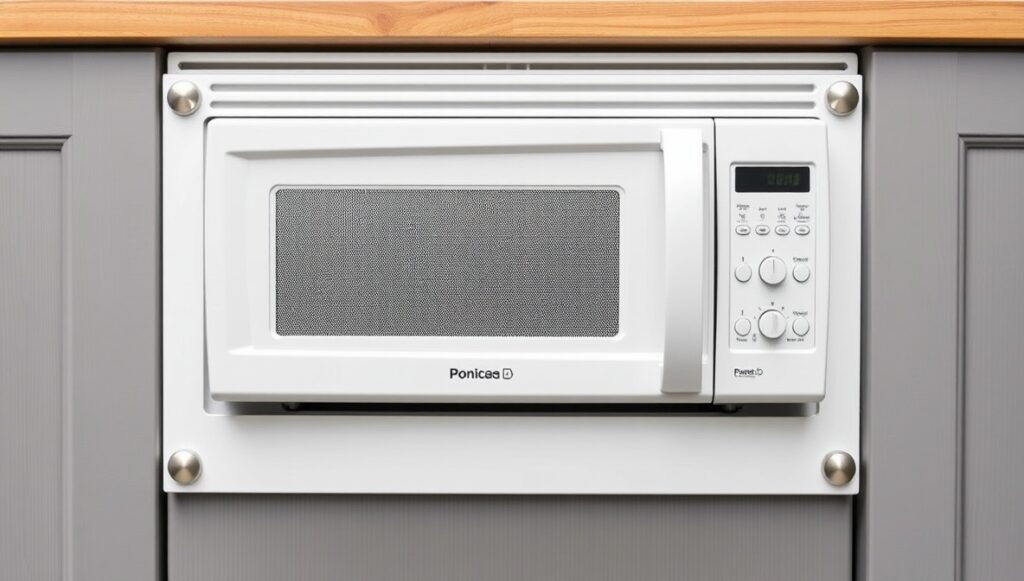
This is where most buyers get stuck, because published dimensions vary slightly by brand. Below is a consolidated, cross-checked table covering the two standard sizes used across nearly every major manufacturer.
| Specification | 24-Inch Model | 30-Inch Model |
|---|---|---|
| Overall unit width | ~23.9 in | ~29.9 in |
| Minimum cabinet opening width | 22 1/8 in | 28 1/2 in |
| Opening height required | 14 3/4 in – 17 in | 14 3/4 in – 17 in |
| Cabinet depth needed | 23 – 25 in | 23 – 25 in |
| Front clearance for full extension | 24 – 41 in | 24 – 41 in |
| Interior capacity | 1.2 cu. ft. | 1.2 cu. ft. |
| Interior width (cooking chamber) | 17 5/16 in | 17 5/16 in |
| Best for | Compact kitchens, apartments, secondary prep areas | Standard kitchens, primary cooking zones |
Key takeaway: the interior cooking capacity is identical between the 24-inch and 30-inch models — the extra width on the 30-inch version is purely about matching cabinetry proportions and giving a more built-in, high-end look, not about cooking more food.
Base Cabinet vs. Island vs. Under Wall Oven
A microwave drawer cabinet can go in three general locations, and each has slightly different requirements:
- Base cabinet — most common, requires 16–17 inches of clear interior height and a dedicated electrical outlet
- Kitchen island — popular for open-concept layouts, but you must confirm the drawer has enough clearance to fully extend without hitting seating, stools, or handles
- Under a wall oven — works in stacked appliance walls, but depth clearance behind the cabinet wall needs extra verification since venting happens through the front
Frameless vs. Face-Frame Cabinets: Why It Changes Your Fit
This detail gets skipped in most guides, but it directly affects whether your microwave drawer cabnet will look seamless or slightly off.
- Frameless cabinets — the drawer trim sits nearly edge-to-edge with little room for error; measurements need to be exact
- Face-frame cabinets — the trim overlaps the stiles and rails, giving more forgiveness during installation (typical overlap: 3/8 inch top, 1/8 inch bottom, 3/4–1 inch sides depending on model size)
If you’re retrofitting an existing cabinet rather than building new, face-frame construction is generally easier to work with.
Electrical Requirements for a Microwave Drawer Cabinet
This is one of the most overlooked steps in the entire process, and it’s where DIY installs go wrong most often.
- Most units require a dedicated 120V, 15–20 amp circuit
- The outlet typically needs to sit in the upper back section of the cabinet opening, roughly 5 inches tall by 4 inches wide in placement space
- Local code may require GFCI protection depending on proximity to water sources (especially in island installations near sinks)
- If your kitchen doesn’t already have a dedicated circuit in that location, you’ll need an electrician before cabinetry work even begins
If you’re unsure whether your current wiring supports it, this is the point where hiring a licensed electrician isn’t optional — it’s the difference between a working microwave drawer cabnet and a safety hazard.
What Does a Microwave Drawer Cabinet Actually Cost?
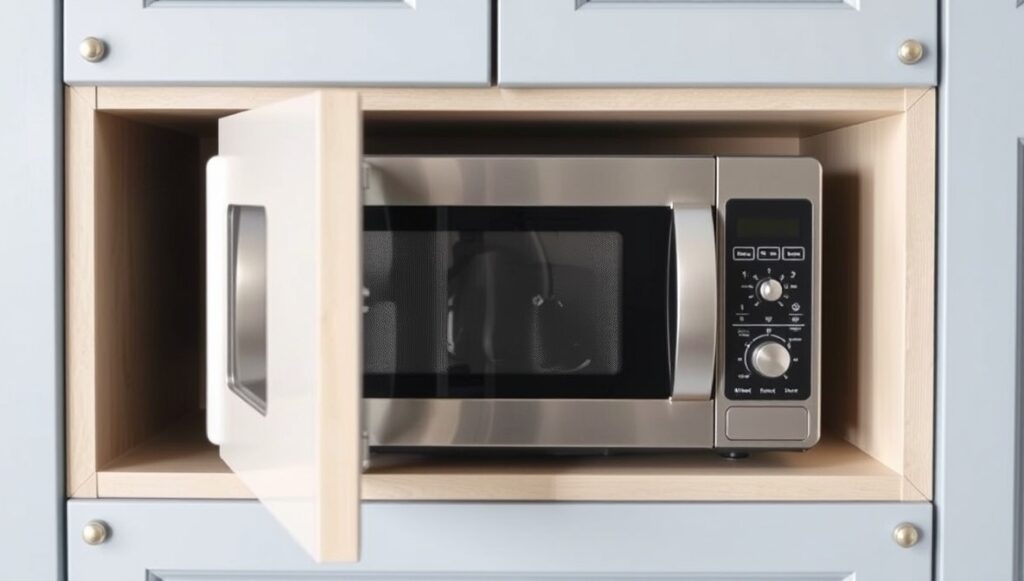
Almost no resource gives you the full picture here — most only quote the unit price. Below is a realistic total project range.
| Cost Component | Typical Range |
|---|---|
| Unit price (24-inch) | $700 – $1,300 |
| Unit price (30-inch) | $1,000 – $2,000+ |
| Premium/luxury brands (Sub-Zero, Wolf) | $2,000 – $3,500+ |
| Cabinet modification / new cabinetry | $300 – $1,200 |
| Electrician (new dedicated circuit) | $200 – $600 |
| Professional installation labor | $150 – $500 |
| Total realistic project range | $1,350 – $5,000+ |
If you’re installing during a full kitchen remodel where cabinetry is already being built to spec, your cost lands on the lower end. If you’re retrofitting into an existing kitchen with older wiring and non-standard cabinets, expect the higher end.
Comparing Top Microwave Drawer Cabinet Brands
Not all units are built the same, and price alone doesn’t tell you much. Here’s how the major players stack up.
| Brand | Price Range (24″ model) | Wattage | Notable Feature |
|---|---|---|---|
| Sharp | $700 – $1,100 | 850–950W | Original inventor of the category; widest model availability |
| KitchenAid | $900 – $1,400 | 900–1000W | Auto Touch Open/Close feature |
| Bosch | $1,300 – $1,900 | 900W | Known for quiet operation and build quality |
| JennAir | $1,800 – $2,500 | 950W | Premium finishes, integrated panel-ready options |
| Thor Kitchen | $800 – $1,300 | 900W | Budget-friendly, sensor cooking tech |
| GE Profile | $1,000 – $1,600 | 950W | Strong warranty support |
Pro tip: if resale value matters to you, mid-range brands with strong name recognition (Sharp, KitchenAid, GE) tend to appraise better than lesser-known budget brands, even if the specs are similar.
How to Install a Microwave Drawer Cabinet: Step-by-Step Overview
While a full installation should generally involve a professional, especially for the electrical portion, here’s the general process:
- Measure the cabinet opening against your specific model’s spec sheet — don’t rely on generic averages
- Confirm electrical access and hire an electrician if a dedicated circuit isn’t already present
- Cut the cabinet opening using a handsaw or router, sanding all rough edges
- Install support blocking (1×2 wood panels or shims) if the cabinet structure needs reinforcement for the unit’s weight
- Slide the unit into place and secure it using the manufacturer’s mounting hardware
- Connect the power supply, checking that the cord isn’t pinched or twisted
- Test the drawer mechanism fully open and closed before finishing trim work
- Attach trim kit for a seamless, built-in appearance
Common Installation Mistakes to Avoid
- Measuring the microwave instead of measuring the cabinet opening against the spec sheet
- Skipping the front clearance check — some drawers need over 40 inches to fully extend
- Not verifying weight support before mounting (units can weigh 60–90 lbs)
- Ignoring ventilation clearance requirements behind and around the unit
Maintenance Tips for a Microwave Drawer Cabinet
A microwave drawer cabnet is generally low-maintenance, but a few habits extend its lifespan significantly:
- Wipe down the interior weekly with a damp cloth to prevent buildup near the drawer seal
- Check the drawer glide mechanism periodically for dust or debris that could affect smooth operation
- Avoid slamming the drawer shut — most units are designed for a gentle push-close motion
- Clean the vent area (usually front-facing) to prevent overheating
Pros and Cons of a Microwave Drawer Cabinet
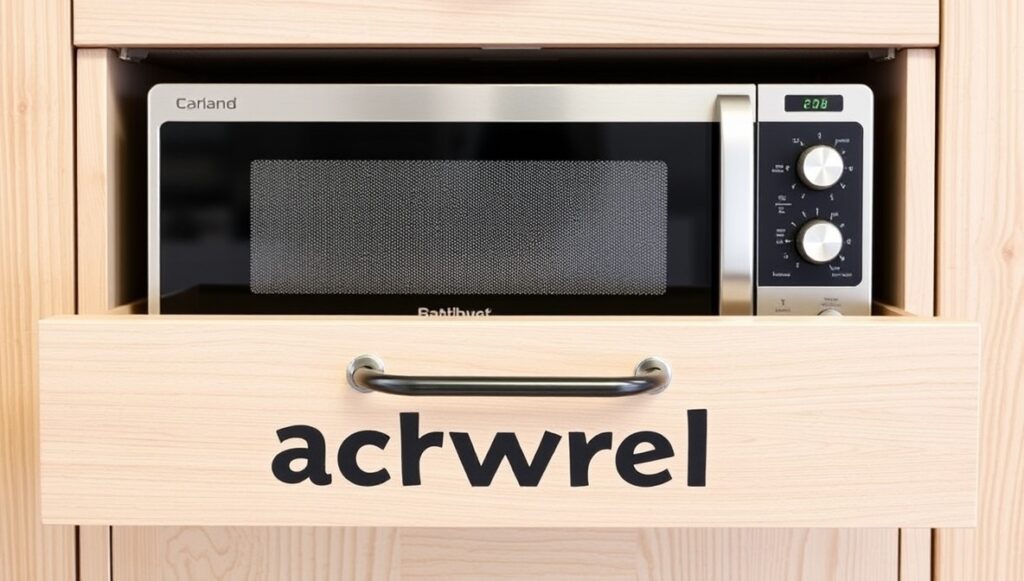
Pros:
- Frees up counter and upper cabinet space
- Safer, waist-level access to hot dishes
- Sleek, integrated kitchen look
- Great for accessibility and multi-generational households
Cons:
- Higher upfront cost than a countertop unit
- Installation often requires professional electrical work
- Limited repair technicians compared to standard microwaves
- Reduces base cabinet storage space
Is a Microwave Drawer Cabinet Right for Your Kitchen?
If you’re renovating and building cabinetry from scratch, a microwave drawer cabnet is one of the easier upgrades to plan for, since you can design the opening to spec from day one. If you’re retrofitting into an existing kitchen, the decision comes down to whether your current cabinet can be modified without major structural changes and whether your electrical panel can support a new dedicated circuit.
For most standard kitchens, the 24-inch model strikes the best balance of cost, footprint, and functionality. The 30-inch model makes more sense when you’re matching it visually to other 30-inch built-in appliances or want a more prominent presence in an island layout.
Frequently Asked Questions
Can I install a microwave drawer cabinet in any existing cabinet?
Not always — the cabinet needs a minimum interior height of roughly 16–17 inches and enough depth (23–25 inches), so older or non-standard cabinets may need modification first.
How much does it cost to install a microwave drawer cabinet?
A full project, including the unit, cabinetry adjustments, electrical work, and labor, typically runs between $1,350 and $5,000 depending on brand and installation complexity.
What size microwave drawer cabinet do I need?
Most kitchens use either a 24-inch or 30-inch model; both have the same interior cooking capacity, so the choice mostly comes down to cabinet size and design preference.
Does a microwave drawer cabinet need a dedicated electrical circuit?
Yes, most units require a dedicated 120V, 15–20 amp circuit, and an electrician should confirm your kitchen’s wiring can support it before installation.
Is a microwave drawer cabinet worth the extra cost over a countertop microwave?
If counter space, accessibility, or kitchen aesthetics matter to you, most homeowners find the added cost worthwhile for the functionality and resale appeal it adds.
Can a microwave drawer cabinet go in a kitchen island?
Yes, but you need to confirm there’s enough front clearance for the drawer to fully extend without hitting seating, stools, or nearby cabinetry.
