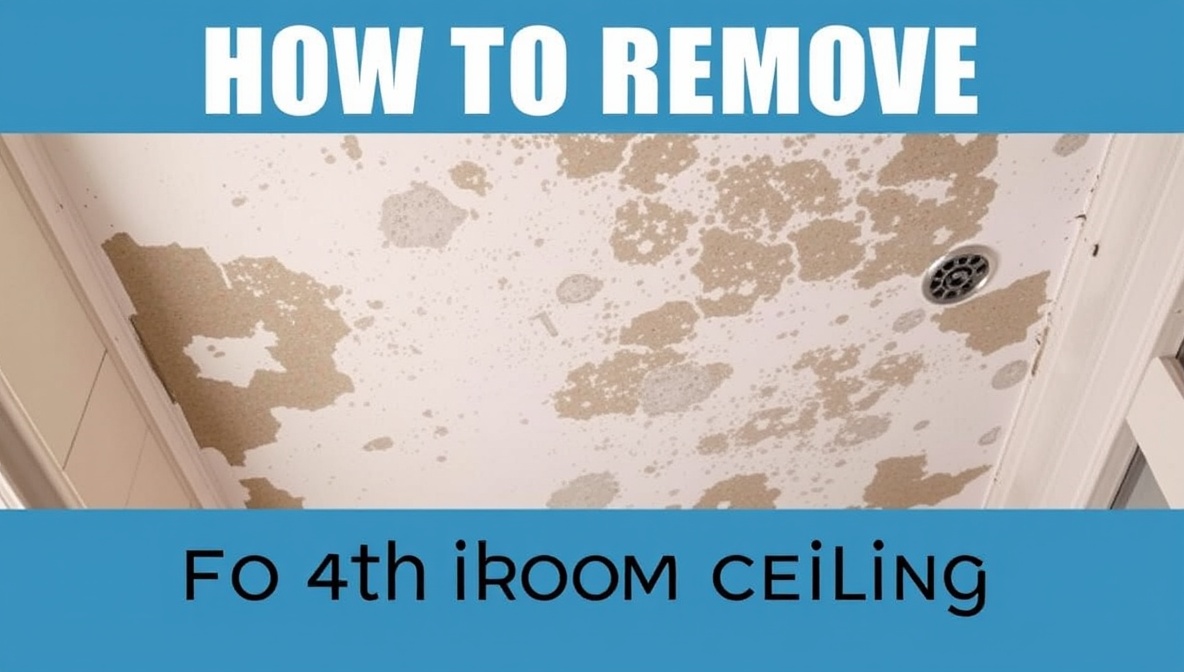
If you’re dealing with dark, fuzzy patches spreading across your bathroom, learning how to remove mold from bathroom ceiling surfaces is essential for both your home’s health and your own. Mold spores thrive in warm, humid environments, and few places in a home match the conditions of a bathroom as perfectly as the ceiling above your shower.
The good news is that with the right cleaning solution, protective gear, and a bit of elbow grease, most homeowners can tackle this problem themselves — without expensive contractors or professional mold remediation services. This guide walks you through everything: identifying the mold type, gathering your materials, cleaning it safely, and stopping it from ever coming back.
What Causes Mold on Bathroom Ceilings?
Before you grab your spray bottle, it helps to understand why mold appears in the first place. Bathroom ceilings are particularly vulnerable because of the constant cycle of steam, condensation, and poor airflow. Every hot shower releases moisture into the air, and when that moisture has nowhere to go — no exhaust fan, no open window — it settles on the ceiling and creates the perfect breeding ground for mold spores.
The most common culprits behind ceiling mold growth include:
- Poor or absent bathroom ventilation
- Consistently high indoor humidity levels (above 60%)
- Undetected water leaks from the roof or plumbing above
- Drywall and paint that absorbs moisture
- Drying towels or wet clothing indoors
Black mold, scientifically known as Stachybotrys chartarum, is among the most harmful types. It produces airborne spores that can cause respiratory issues, allergic reactions, sneezing, skin irritation, and worsening asthma symptoms — particularly in children, the elderly, and those with compromised immune systems. Even common mildew, the milder cousin of mold, should be addressed promptly to prevent it from developing into something more serious. how to fix slow draining bathroom sink
How to Tell If It’s Mold or Just Staining
Not every dark patch on a ceiling is mold, but it’s worth examining closely before taking action. Mold typically appears as fuzzy or powdery spots in shades of black, dark green, or grey. It often comes with a musty, earthy odor — a reliable sign that mold is actively growing even before patches become visible how to remove mold from bathroom ceiling.
Signs you’re dealing with mold rather than simple water staining:
- Fuzzy or textured surface on the patch
- Dark coloring that reappears after cleaning
- Persistent musty smell in the bathroom
- Moisture or condensation consistently visible on the ceiling
If the affected area is less than 10 square feet (roughly a 3×3 foot patch), it’s generally safe to handle yourself. Anything larger, or mold that keeps returning despite repeated cleaning, calls for professional mold remediation.
What You Need Before You Start
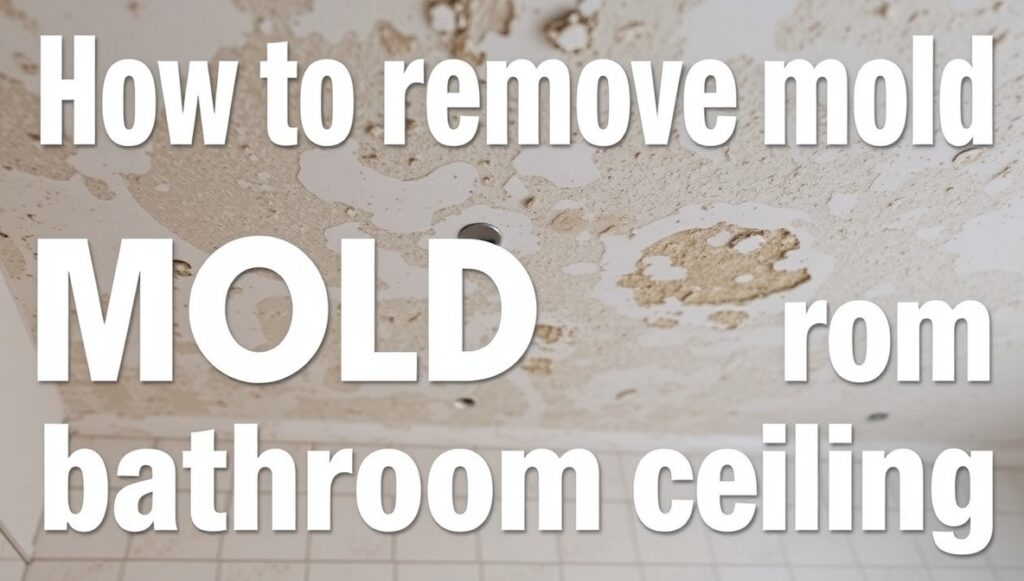
Gathering the right supplies before beginning will make the job safer and more effective. When you attempt to remove mold from bathroom ceiling surfaces, you’re disturbing colonies of mold spores that can become airborne, so personal protection is non-negotiable.
Protective gear:
- N95 respirator mask (not a simple dust mask)
- Safety goggles or glasses
- Rubber or nitrile gloves
- Old clothing you don’t mind disposing of
Cleaning tools and materials:
- Spray bottle
- Stiff-bristled scrub brush or sponge
- Clean cloths and old towels
- Plastic sheeting or drop cloth
- Step stool or ladder (stable enough for overhead work)
Cleaning solutions (choose one):
- Undiluted white vinegar (5–6% acetic acid)
- 3% hydrogen peroxide solution
- One part bleach to three parts water
- Borax solution (one cup per gallon of warm water)
- Baking soda paste (half a cup mixed with water)
- Commercial antifungal bathroom cleaner
Important: Never mix bleach with vinegar, ammonia, or any other cleaning product. The chemical reaction produces toxic fumes that can cause serious respiratory damage how to remove mold from bathroom ceiling.
The Best Cleaning Solutions Explained
Choosing the right cleaner matters more than most people realize. Each option has specific strengths depending on the surface type and mold severity.
White Vinegar is arguably the most effective natural mold killer available. Its high acidity — around pH 2 — destroys mold down to its roots, particularly on porous surfaces like painted drywall. Vinegar kills up to 82% of known mold species and leaves a residual antifungal layer that slows regrowth. It’s also non-toxic, eco-friendly, and safe around pets and children.
Hydrogen Peroxide (3%) is another excellent option, especially for those who dislike the smell of vinegar. It bubbles on contact with mold, penetrating the surface and breaking down organic material. It’s safe, fume-free, and effective on most common bathroom mold types.
Bleach Solution is the most powerful option for surface mold on non-porous materials like tiles or sealed paint. However, bleach is largely ineffective on porous materials such as drywall because it cannot penetrate below the surface — meaning it bleaches the visual stain without reaching the mold’s root structure.
Baking Soda works well as a secondary treatment. It absorbs excess moisture, neutralizes odors, and provides gentle abrasive action during scrubbing. It works best combined with vinegar (applied separately, not simultaneously).
Borax is a naturally occurring mineral with strong antimicrobial properties. Mixed with warm water, it cleans mold effectively and leaves a protective residue that resists future growth.
Step-by-Step Guide to Remove Mold from Your Bathroom Ceiling
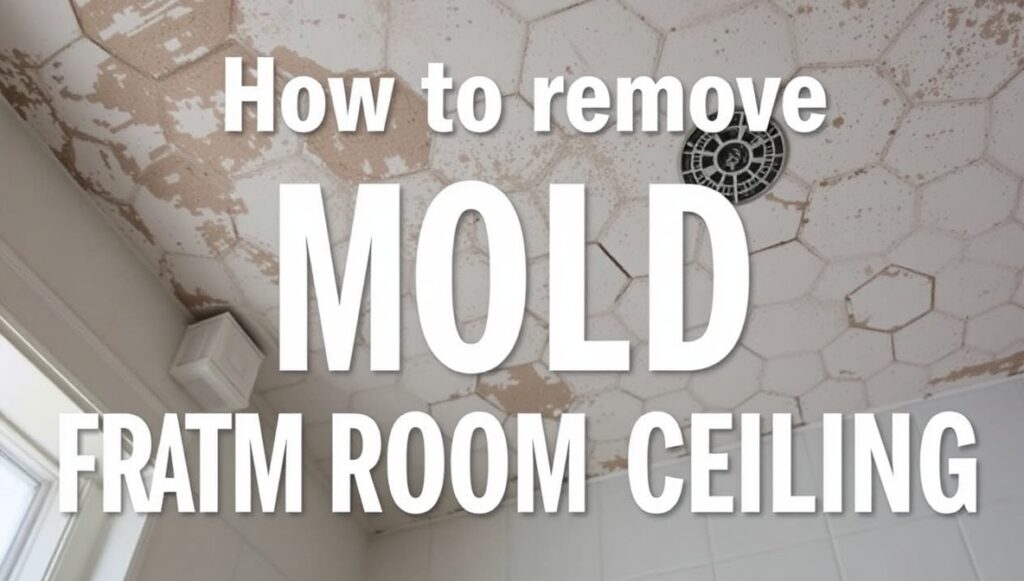
Following a structured process makes the job safer and more thorough. Here is how to remove mold from bathroom ceiling surfaces effectively from start to finish.
Step 1: Prepare the Space
Open windows and turn on the exhaust fan to ventilate the area. Lay plastic sheeting or old towels on the floor and over bathroom fixtures to catch drips. Put on your N95 mask, goggles, and gloves before touching or disturbing any mold how to remove mold from bathroom ceiling.
Step 2: Apply Your Cleaning Solution
Fill your spray bottle with undiluted white vinegar or your chosen cleaning solution. Spray the affected area generously, making sure the solution fully saturates the mold patches. For hard-to-reach spots, dampen a cloth or sponge and press it directly against the surface.
Step 3: Allow It to Sit
Let the solution dwell for at least 10–15 minutes. Vinegar and hydrogen peroxide benefit from even longer contact time — up to 60 minutes — which gives the active ingredients time to penetrate porous surfaces and kill mold at its root.
Step 4: Scrub the Surface
Using a stiff-bristled scrub brush, work in circular motions across the moldy areas. Apply firm pressure without gouging the paint or drywall. For stubborn patches, reapply the cleaning solution and allow it to sit again before scrubbing a second time.
Step 5: Wipe Clean
Use a clean, damp cloth to wipe away all loosened mold debris, cleaner residue, and spores. Rinse the cloth frequently to avoid spreading mold to clean areas. Dispose of all used cloths, towels, and sponges immediately — do not reuse them.
Step 6: Dry the Surface Completely
Mold cannot survive without moisture. Use a dry towel, portable fan, or your exhaust fan to thoroughly dry the ceiling after cleaning. This step is critical: leaving the surface damp will allow any surviving spores to regrow rapidly.
Step 7: Treat Remaining Stains
If dark staining remains after cleaning, apply a mold-resistant primer followed by at least two coats of mold-resistant paint. Semi-gloss finishes are recommended for bathroom ceilings because they resist moisture absorption and are easier to wipe clean. Some homeowners choose pool paint, which is specifically designed to withstand constant moisture exposure.
Natural Remedies Worth Trying
Several natural options deserve attention for those who prefer to avoid chemical-based cleaners entirely.
Tea Tree Oil contains powerful antifungal and antimicrobial compounds. Mix one teaspoon with one cup of water in a spray bottle, apply to the affected area, and leave for at least an hour before wiping clean. It’s highly effective but can irritate sensitive skin, so wear gloves.
Lemon Juice provides high natural acidity capable of breaking down mold spores. Spray it directly onto affected areas, allow it to sit for 10–15 minutes, then wipe clean. It also neutralizes the musty odor associated with mold growth how to remove mold from bathroom ceiling.
Borax Paste made from the powder and a small amount of water creates a scrubbing compound that both kills mold and leaves behind a protective antimicrobial layer.
How to Prevent Mold from Returning
Cleaning up mold is only half the battle. Without addressing the underlying moisture problem, mold will return within weeks. Prevention requires consistent habits and, in some cases, small home improvements.
- Run your exhaust fan during and after showers — keep it running for at least 30 minutes after you finish to remove residual humidity from the air
- Keep indoor humidity below 50% — use a hygrometer to monitor levels and a dehumidifier if needed
- Open windows and doors whenever weather permits to encourage air circulation
- Wipe down wet surfaces including ceiling areas near the shower after bathing
- Fix water leaks promptly — a dripping pipe or small roof leak creates enough persistent moisture to sustain mold growth indefinitely
- Store wet towels outside the bathroom rather than hanging them where they add to indoor humidity
- Apply mold-resistant paint to the ceiling as an ongoing preventative layer
- Spray a light mist of white vinegar on the ceiling weekly as a low-effort maintenance step
If your exhaust fan is old or undersized, consider upgrading to a higher-capacity model with a timer switch. This allows the fan to continue running after you leave without requiring you to return and manually switch it off.
When to Call a Professional
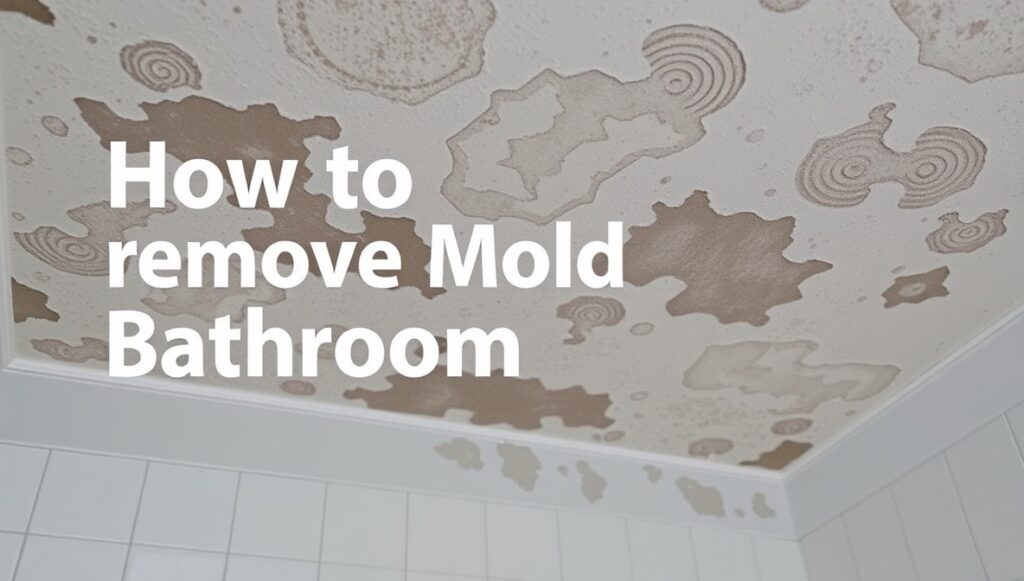
Some mold situations go beyond what safe DIY methods can address. Knowing the limits of home treatment is just as important as knowing the cleaning steps. You should contact a certified mold remediation specialist if:
- The mold covers an area larger than 10 square feet
- The mold has penetrated into the drywall, insulation, or wooden framing
- The problem recurs persistently despite thorough cleaning and ventilation improvements
- You notice mold in multiple rooms simultaneously
- Anyone in the household is experiencing unexplained respiratory symptoms, chronic coughing, or worsening allergies
- There is a visible water leak above the bathroom ceiling that has not yet been repaired
Professional mold abatement includes full containment of the affected area, HEPA air filtration, safe removal of compromised drywall and insulation, and a final air quality check to confirm the indoor environment is safe how to remove mold from bathroom ceiling.
Frequently Asked Questions
Is it safe to stay in the house while removing mold from a bathroom ceiling?
For small areas treated with natural solutions like vinegar or hydrogen peroxide, the rest of the house remains safe. Close the bathroom door during cleaning to contain airborne spores, and ventilate the room thoroughly before and after treatment.
How long does it take for mold to grow back after cleaning?
Mold can return within 24–48 hours if the underlying moisture problem is not addressed. With proper ventilation, humidity control, and preventative treatments, regrowth can be delayed indefinitely.
Does bleach actually kill mold or just bleach it?
Bleach is highly effective on non-porous, hard surfaces but largely ineffective on porous materials like unpainted drywall. On those surfaces, bleach removes the visual stain without killing the mold’s root structure, which is why vinegar is often the superior choice for bathroom ceilings.
Can I paint over mold instead of cleaning it?
No — painting over mold without first treating and eliminating it traps moisture underneath and allows mold to continue growing behind the paint layer, often making the problem worse.
How do I know if the mold has gone into the drywall?
Press gently on the affected area. Soft, spongy, or crumbling drywall beneath the paint surface suggests mold has penetrated the material. Discoloration that immediately returns after surface cleaning is another strong indicator of deep penetration.
What is the best mold-resistant paint for bathroom ceilings?
Look for paints specifically labeled “mold-resistant” or “mildew-resistant” with a semi-gloss or gloss finish. Products formulated with antimicrobial additives provide the strongest long-term protection in high-humidity environments.
How often should I clean my bathroom ceiling to prevent mold?
A light spray of undiluted white vinegar once a week, combined with consistently running your exhaust fan, is enough to prevent mold in most bathrooms. A thorough scrub-down every one to two months is recommended for bathrooms with chronic condensation problems.
