A beautiful exterior creates the first impression of any home, and this is exactly why dr homey exterior design has become such a popular approach among homeowners and design enthusiasts wanting more than just attractive walls and windows. Today’s homeowners want comfort, elegance, functionality, and a genuinely welcoming atmosphere, all working together rather than treated as separate concerns.
This guide walks through the core philosophy behind this design approach, practical strategies for color, materials, and landscaping, and answers to the most common questions homeowners ask when planning their own exterior transformation.
The Core Philosophy Behind This Approach
At its core, dr homey exterior design is about balancing aesthetics with deep, livable comfort. It moves away from cold, hyper-modern, sterile exteriors and instead embraces warmth, texture, and approachability. The goal is to make a house look less like a fortress and more like a sanctuary, combining clean architecture, cozy outdoor elements, smart landscaping, and balanced colors to create homes that feel luxurious yet genuinely warm.
This philosophy relies heavily on natural elements, soft color transitions, and functional outdoor living spaces. It isn’t just about painting your front door or planting a few bushes, it’s a holistic view of how architecture, landscape, and lighting all work together to create a cohesive, welcoming atmosphere rather than a collection of disconnected upgrades.
Why Exterior Investment Genuinely Pays Off
Before diving into color swatches and siding options, it’s worth understanding why exterior design matters so much financially. The return on investment for exterior upgrades is consistently higher than many interior renovations, and real estate experts consistently report that strong curb appeal can increase a home’s perceived value by up to seven percent. decoradtech smart home ideas by decoratoradvice
| Consideration | Why It Matters |
|---|---|
| First impressions | Sets the tone before anyone enters the home |
| Resale value | Buyers judge properties within seconds of arrival |
| Daily experience | The exterior greets you every single day |
| ROI comparison | Often exceeds returns from interior renovations |
An attractive exterior also increases resale value directly, since potential buyers often judge properties within seconds, and a well-maintained outdoor space creates immediate confidence in the rest of the home.
Working With Your Home’s Existing Architecture
One of the biggest mistakes homeowners make is trying to force a design trend onto a house that doesn’t support it structurally. The best dr homey exterior design transformations work with the home’s original architecture, not against it, respecting the bones of the structure rather than fighting them.
Different architectural styles call for different approaches:
- Traditional homes benefit from symmetry, using classic color palettes like deep navy, forest green, or stark white with black shutters, enhanced by a solid wood door and brass hardware.
- Craftsman homes are practically built for this aesthetic, thriving on earthy tones like olive, mustard, and warm browns, emphasized through exposed wood beams and stone pedestals.
- Modern homes need warmth added to clean, sharp lines, since flat, monochromatic exteriors can look boring and institutional without deliberate texture.
The Power of Mixed Textures and Materials
To create the depth required by this design philosophy, mixing textures becomes essential rather than optional. Consider adding a stone veneer to the lower third of a home to ground the structure, or if the home is entirely brick, breaking it up with board-and-batten siding on the gables or dormers.
The interplay between rough stone, smooth siding, and natural wood creates a tactile, visually interesting facade that genuinely draws the eye. Materials also play a practical role beyond aesthetics, since durable options such as stone, brick, wood, and composite siding not only improve appearance but provide long-term durability against weather and wear.
Building a Balanced Color Palette
Color affects perception more than almost any other design element within this approach. Light shades often make smaller homes appear larger and more open, while dark colors introduce drama and sophistication but require careful balance to avoid overwhelming a facade.
The strongest exterior palettes typically follow a consistent structure:
- Primary color covering roughly 60% of the exterior, usually siding or major surfaces.
- Secondary color covering about 30%, highlighting trim and architectural framing.
- Accent color covering the remaining 10%, creating personality through doors or decorative features.
Neutral tones remain highly effective within dr homey exterior design because they age gracefully. Warm white, greige, sage green, charcoal, and slate blue continue performing well across different regional styles and neighborhoods, avoiding the visual confusion that comes from excessive color competition.
Landscaping That Frames the Home
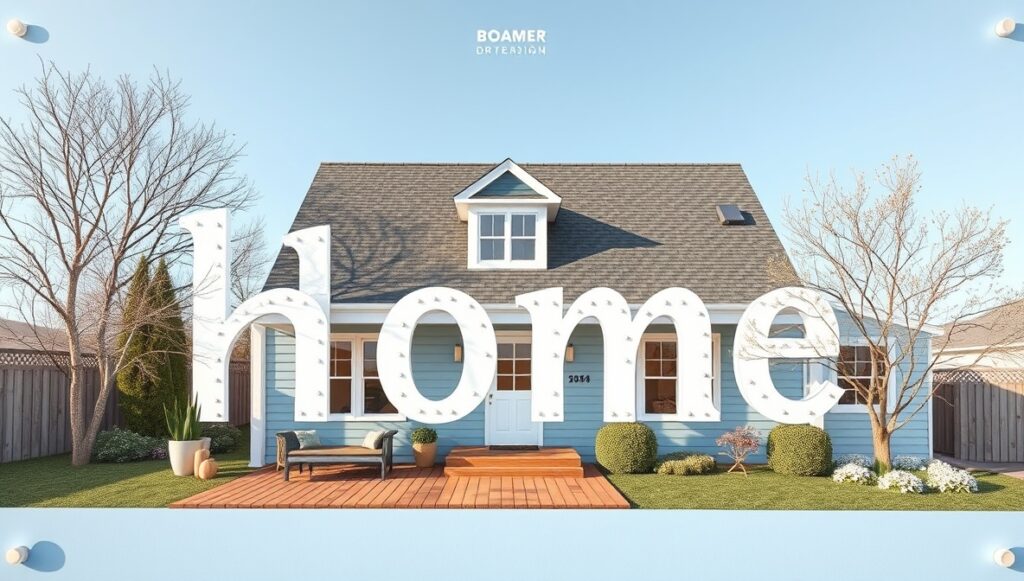
You can have the most beautiful siding and paint job in the world, but if your landscaping is overgrown or barren, the entire look falls flat. Landscaping functions as the frame that holds the picture of your home together, connecting architecture with nature in a way that few other elements accomplish.
The secret to professional-looking landscaping within this philosophy is layering:
- Low ground cover creates softness near pathways and walkways.
- Medium shrubs provide year-round structure and consistent visual weight.
- Taller trees frame the property and soften harsh rooflines.
Native plants often perform best because they adapt naturally to regional conditions and require considerably less water and maintenance. Spacing matters enormously here too, since plants need room to mature, and overcrowding creates both maintenance problems and blocked visual flow.
Lighting: Beauty That Continues After Sunset
Daytime curb appeal matters, but nighttime presentation matters just as much within this design approach. A well-lit exterior looks more expensive and welcoming, drawing attention to architectural details that might otherwise disappear once the sun goes down.
Using warm tones instead of overly bright white lights creates a more relaxing outdoor feel, particularly around entrance areas and garage walls where visitors form their first impressions. Homes that look unfinished after sunset usually suffer from inadequate illumination, a common oversight that undermines otherwise strong daytime curb appeal.
Common Mistakes That Undermine Good Design
Even homeowners with genuinely good intentions sometimes make choices that reduce overall beauty and functionality. A few consistent pitfalls worth avoiding:
- Too many colors, which create visual confusion rather than the intended sophistication.
- Oversized landscaping that blocks architectural detail instead of framing it.
- Cheap materials that reduce upfront cost but often increase long-term repair expenses.
- Poor lighting that leaves even expensive homes looking dull once evening arrives.
- Untrimmed plants and damaged lawns, which reduce curb appeal quickly regardless of how strong the underlying design is.
A balanced design always performs better than overly trendy concepts chasing whatever’s currently popular, since dr homey exterior design prioritizes lasting value over temporary visual excitement.
Modern Trends Shaping This Approach in 2026
Exterior design trends continue evolving each year, and current data reflects a genuine shift in homeowner priorities. A recent housing design report found that over 68% of homeowners now prefer low-maintenance modern exteriors over decorative traditional facades, signaling a strong move toward simplified design systems.
Smart technology integration has also become increasingly common, with nearly 45% of new luxury homes now integrating at least three smart exterior systems. Natural cladding materials have grown in popularity as well, partly because they can reduce surface heat absorption by up to 30% compared to synthetic finishes, combining aesthetic warmth with genuine energy efficiency.
Working With Design Professionals
For larger transformations, understanding how design and construction teams typically divide responsibilities helps homeowners set realistic expectations. An architect or designer creates the vision, but that vision might be over-budget or structurally impractical without a contractor’s input on what’s genuinely buildable.
A typical professional process generally follows these stages:
- Design consultation, defining vision, aesthetic goals, and a realistic budget.
- Digital modeling, allowing homeowners to see the transformation before any construction begins.
- Permitting and logistics, handling local building codes and required approvals.
- Construction phase, with professional installation managed by experienced project leads.
- Final walkthrough, confirming every detail meets the intended quality standard.
Maintenance: The Overlooked Final Step
A well-designed exterior needs regular care to maintain its beauty over time. Even premium renovations decline quickly without routine maintenance, meaning the initial investment in dr homey exterior design only pays off fully when paired with consistent upkeep.
Choosing durable materials from the outset helps maintain exterior quality for years, reducing how much active maintenance is genuinely required. Switching to native plant species specifically can cut exterior maintenance costs by nearly 50% compared to non-native alternatives that struggle against local climate conditions.
Frequently Asked Questions
What does this design approach actually focus on?
It focuses on modern simplicity, warmth, and functionality rather than excessive decoration, blending clean architecture with cozy, natural elements to create genuinely welcoming home exteriors.
Does this style work for smaller homes?
Yes. Simple layouts and smart landscaping work perfectly for smaller homes, often improving space perception and overall visual appeal without requiring a large property.
Do I need a massive budget to achieve this look?
Not always. Many affordable upgrades, like updated lighting or a fresh coat of paint on the front door, can meaningfully improve curb appeal without major construction.
How important is landscaping compared to other elements?
Extremely important. Landscaping is one of the strongest elements of this approach because it connects architecture with nature, improving balance, beauty, and outdoor comfort simultaneously.
What’s the biggest mistake homeowners make with exterior design?
Chasing trends without strategy tends to cause the most problems, whether that means using too many colors, oversized landscaping, or cheap materials that increase long-term repair costs.
How much does a typical exterior upgrade cost?
Costs vary widely depending on scope, but moderate upgrades may range from several thousand dollars to major renovations exceeding $30,000 for full-scale transformations.
Final Thoughts
At its heart, dr homey exterior design represents the perfect blend of modern elegance and welcoming comfort. It focuses on clean architecture, natural materials, balanced colors, smart lighting, and thoughtful landscaping to create homes that feel genuinely stylish and inviting rather than sterile or overdesigned.
Whether you’re planning a full renovation or a handful of smaller upgrades, the underlying principle remains consistent: work with your home’s existing architecture, keep color and materials balanced, and never underestimate the impact of proper lighting and maintenance. With the right approach, any home, regardless of size or budget, can achieve the kind of curb appeal that feels both polished and authentically welcoming.
